


whole person care, mid-life women's health, menopause care
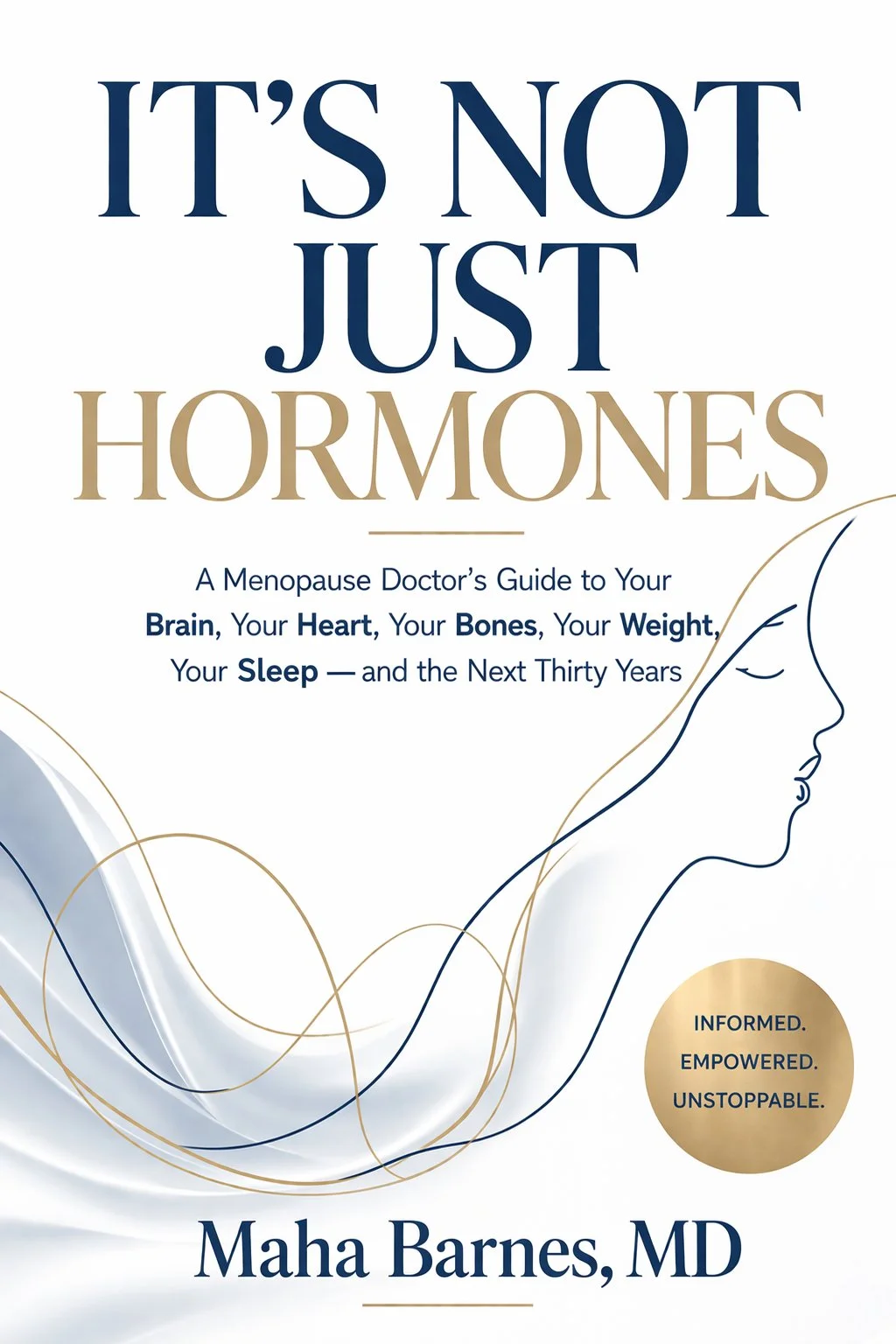
Dr. Barnes’ New Book
Written by a physician who lived it before she recognized it, this is the guide that bridges the gap between clinical science and the real, embodied experience of menopause — because you deserve both.
A doctor who's been
on both sides.
I spent twenty-five years as a physician before menopause taught me what medical school never did.
I was in my late forties, mid-consultation with a patient in Dubai, where I served as a medical director, when the first hot flash hit. I had built a career across continents. I had treated thousands of women. I was not, by any measure, medically uninformed.
And then my own body taught me what no textbook ever did.
A whole women’s care.

Whole Body Menopause Care
Your cardiovascular system, your brain, your bones, your metabolism, your sleep — menopause affects all of it. I assess and treat the whole picture, not just the symptoms that brought you in.

Precision Medicine
Your genetics, your biomarkers, your history, your goals. Cookie-cutter protocols fail because no two women experience menopause the same way. Your care plan should be as individual as your biology.

The Long Game
Menopause isn't an event — it's the doorway to the next thirty years. I help you build the foundation for cardiovascular health, bone density, cognitive vitality, and metabolic strength that lasts.

Menopause Matters: Creating a Supportive Workplace Environment
Menopause is a natural phase in a woman's life, marking the end of her reproductive years. While it brings about significant physiological and hormonal changes, it is often overlooked as a topic of discussion, especially in the context of the workplace. However, supporting women through the challenges of menopause is crucial for fostering inclusivity, well-being, and productivity in the workplace. In this article, we explore the impact of menopause on women's work lives and discuss strategies for creating a supportive and inclusive environment.

Menopause and Heart Health: Mitigating the Risks and Promoting Cardiovascular Wellness
Menopause is a natural biological process that marks the end of a woman's reproductive years. While it brings about several changes in the body, one of the significant concerns during this transition is the increased risk of heart disease. As estrogen levels decline, women become more susceptible to cardiovascular issues. However, with awareness and proactive measures, women can effectively mitigate these risks and promote cardiovascular wellness during and after menopause.
DHEA and Menopause: Understanding the Potential Benefits and Consideration
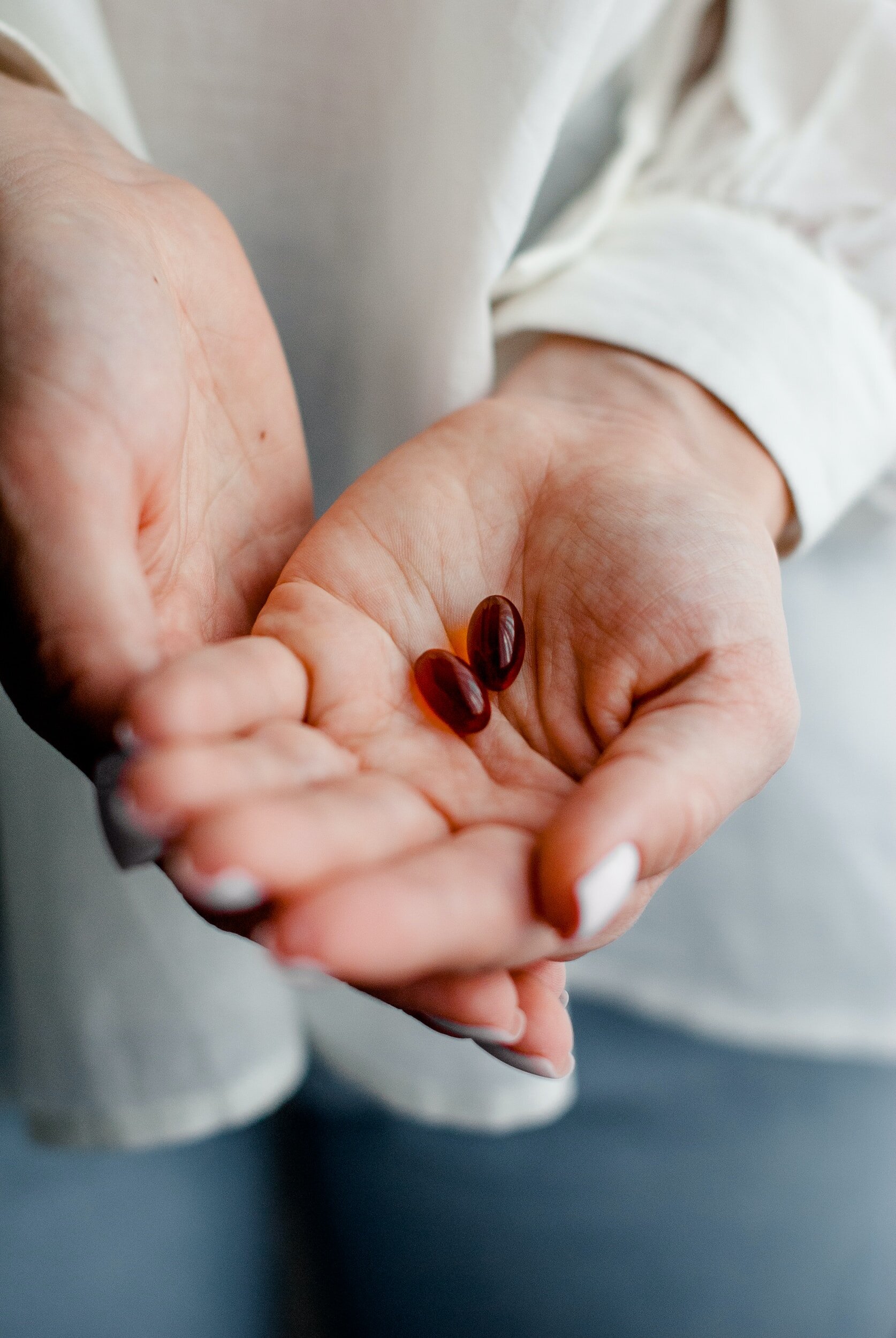
Menopause is a natural phase of a woman's life, marking the end of her reproductive years. It is characterized by a decline in estrogen and progesterone production, leading to various physical and psychological symptoms. Many women seek relief from these symptoms through hormone replacement therapy (HRT) or alternative treatments. One such alternative that has gained attention is dehydroepiandrosterone (DHEA). In this article, we will explore the potential benefits and considerations of using DHEA during menopause.